What we’re doing with AI
This page will be updated regularly as our use of AI evolves
As the Ä¢¹½¶ÌÊÓƵ explores AI, we’re committing to using the technology to support our public mission. Our Ä¢¹½¶ÌÊÓƵ AI principles guide our approach to AI – to make sure we act in the best interest of the public, we prioritise talent and creativity, and we’re transparent with audiences about where AI has been used.
To support our commitment to transparency, this page provides more general information about key areas where the Ä¢¹½¶ÌÊÓƵ is using AI in our content and services.
Where we already use AI
While AI might seem new, the Ä¢¹½¶ÌÊÓƵ has been exploring it for many years and here are some uses of the technology that you may already have come across:
Recommended content
In iPlayer, Sounds, News, and Sport, we use machine learning (a type of AI) to recommend programmes we think you’ll like, alongside content that is important to know about. More on what ‘recommended for you’ means

Audio weather reports
We’re using the Ä¢¹½¶ÌÊÓƵ's AI-generated synthetic voice to deliver a weather forecast for every postcode district in the UK, four times a day. It’s available in the Ä¢¹½¶ÌÊÓƵ Weather app and you can read more about synthetic audio forecasts here. This means we can make our weather information more accessible and relevant to wherever you are in the UK.
Natural History programmes
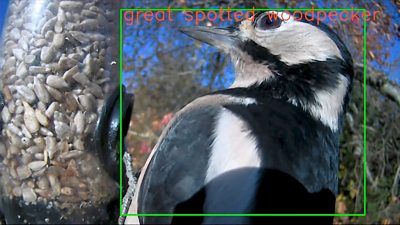
AI is helping production teams find footage and identify animals for Ä¢¹½¶ÌÊÓƵ Natural History programmes, like Springwatch and Autumnwatch.
The technology ‘watches' the cameras and keeps a record of when and where there are animals in the shot. It also helps to recognise the animal species and generate statistics about their activity. This reduces the time the production team has to spend watching many hours of footage to find the action. More on AI and Natural History content
Making images and videos clearer
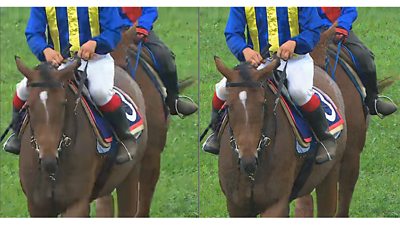
AI can help to increase detail in blurry parts of video footage and make it sharper, so that new and archive content looks its absolute best. This improves the video quality for our viewers. Read more about how AI is used to improve video quality
Anonymising programme contributors
Generative AI can be used to anonymise contributors in programmes, to protect their identity. An example of this can be seen in an episode of Disclosure, Matched with a Predator.
In this instance, the technology disguised the contributor’s face and voice by blending it with that of an actor. This meant the contributor’s expressions and mannerisms were retained but her identity was concealed, and it resulted in a more authentic depiction of the interview.

Generative AI pilots
We are exploring the value of Generative AI (Gen AI) through a series of pilot projects. These are helping us to learn how Gen AI can benefit our audiences and bring the best of the Ä¢¹½¶ÌÊÓƵ to you.
They also help us to work through how we use AI in line with our Ä¢¹½¶ÌÊÓƵ AI principles, and make sure everything is up to the usual Ä¢¹½¶ÌÊÓƵ standards.
While some pilots are available to audiences, some are still in development stage.
In Ä¢¹½¶ÌÊÓƵ Sounds we’re bringing more value to football fans by piloting regular, bespoke audio bulletins for fans of 18 Scottish, English and Welsh clubs. We’re using AI to help summarise and reformat existing content written by Ä¢¹½¶ÌÊÓƵ journalists, and an AI voice to read out the content. Each draft script and recording will be checked for accuracy by our editorial team before the completed update is published.
We’re also exploring extending live text coverage for football matches we can’t usually cover. We’re trialling the ability to transcribe and summarise radio coverage into text for Ä¢¹½¶ÌÊÓƵ Sport. Our journalists review and verify all transcripts before they are published to our live commentary pages.
We’re making Ä¢¹½¶ÌÊÓƵ Search smarter and easier to use. Using AI, we can better understand what you’re really looking for, even if the words you type don’t exactly match the content. Before updates go live, we test them for fairness, accuracy and quality.
And we’re also looking at how we can make Ä¢¹½¶ÌÊÓƵ Sounds content more accessible to all. In the UK there are around 18 million adults who are deaf, have hearing loss or tinnitus. Using speech-to-text technology with human checks on accuracy, offering subtitles across an extra 189 programmes and podcasts on Ä¢¹½¶ÌÊÓƵ Sounds. We’re now considering how we might bring this to more content.

Use of AI in news, current affairs and factual
Ä¢¹½¶ÌÊÓƵ is working to responsibly accelerate the use of AI to improve audience experiences and make processes and workflows more efficient. The aim is to support our ambitions to reach more people globally with trusted, distinctive Ä¢¹½¶ÌÊÓƵ journalism.
However, the Ä¢¹½¶ÌÊÓƵ is taking a cautious approach to implementing AI, particularly generative AI in news, current affairs and factual content. All AI-assisted content is thoroughly reviewed by a Ä¢¹½¶ÌÊÓƵ journalist before publication, with transparency for audiences remaining a key principle.
Alongside a number of active use cases already embedded in daily production, the Ä¢¹½¶ÌÊÓƵ is also running several pilots focused on streamlining workflows and enhancing value for audiences.
Active use cases in News and Nations include:
- Translation, where the more than 40 World Service language teams across the globe use AI translation as an integral part of their workflows. All translated content is reviewed by bilingual journalists before publication. This allows teams to work more efficiently and has enabled the launch of new language services, including Polish, Hungarian and Romanian. Find out more Ä¢¹½¶ÌÊÓƵ Media Centre.
- Style Assist helps Ä¢¹½¶ÌÊÓƵ journalists quickly adapt trusted content into Ä¢¹½¶ÌÊÓƵ News house style, speeding up the publication of high-quality local stories. It uses a Ä¢¹½¶ÌÊÓƵ-trained AI model to generate a draft, which is always reviewed and edited by journalists before publication. This helps save time while maintaining accuracy, tone and editorial standards. Find out more in an article from Rhodri Talfan Davies.
One of our ongoing AI pilots is Style Guide Checker, an AI-assisted tool being developed to help journalists check articles against the 1,200 rules in the Ä¢¹½¶ÌÊÓƵ News style guide. Other pilots have included the Newsletters team’s use of AI in daily newsletter production.
The Ä¢¹½¶ÌÊÓƵ News AI team have also successfully piloted the use of generative AI in assisting journalists with drafting text descriptions for news images (alt text). High quality text descriptions ensure that we adequately serve blind and visually impaired people who use screen reader technology, giving them equal access to our news offering. All text descriptions are checked and, where necessary, edited before publication.
Ä¢¹½¶ÌÊÓƵ News also piloted an AI-powered real-time transcription service during the 2026 Scotland and Wales elections and the local elections in England, using verified transcripts to help journalists deliver faster and more comprehensive coverage. The pilot is informing future work on transcription and newsroom workflows.
Another pilot involves testing whether adding an AI-assisted bullet point summary box on selected articles helps engage readers and make complex stories more accessible to underserved audiences. Find out more in an article from Rhodri Talfan Davies.
Using AI tools and software at the Ä¢¹½¶ÌÊÓƵ
Like most media and other companies, we’re also exploring how AI tools can assist our staff with everything from content production to everyday productivity.